About the author
Phil Clark
Twenty-five years across waterfall, Agile, DevOps, and now AI-assisted engineering. One pattern has held: teams adopt new practices, but the operating model, the measurement system, and the leadership behaviors stay the same. The tools change. The results often do not.
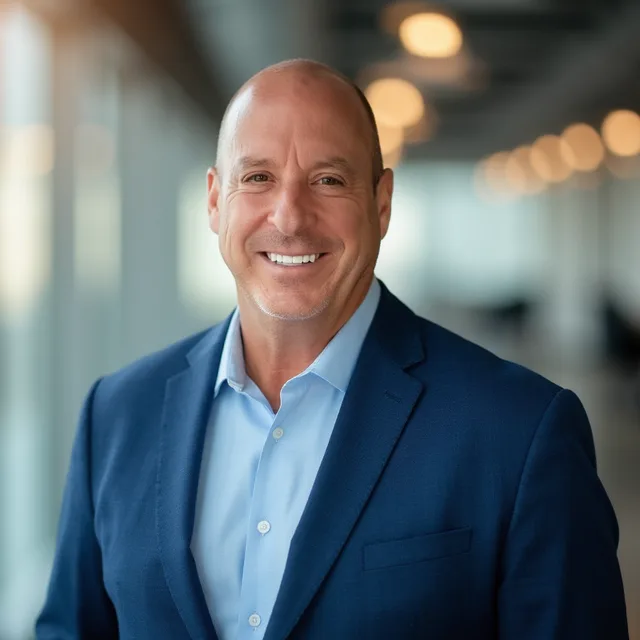
Phil Clark is a senior technology leader, operator, speaker, and author of Profitable Engineering: Transforming Technology Teams into Strategic Business Partners. With more than 25 years of experience across startups, global enterprises, and growth-stage SaaS organizations, he helps technology leaders connect software delivery to measurable business value.
His career spans multiple eras of software delivery, from waterfall and big-batch releases to Agile, DevOps, product operating models, continuous delivery, Value Stream Management, and AI-assisted engineering. That range gives him a leadership perspective informed by both legacy constraints and modern delivery practices. At Parchment, later acquired by Instructure, he helped scale a globally distributed technology organization while improving delivery speed, reliability, platform health, and cross-functional alignment.
His work consistently focuses on building operating models where teams move fast without heroics, quality stays strong, and business outcomes become more visible and actionable. Through his writing, speaking, advisory work, and the Rethink Your Understanding platform, Phil collaborates with and advises technology executives on adopting AI responsibly, improving flow, strengthening team ownership, and moving technology beyond the cost-center mindset into a true strategic partnership.
Companion book
Profitable Engineering
Transforming Technology Teams Into Strategic Business Partners
The broader operating-model playbook this roadmap builds on. Flow and Realization, durable team ownership, platform guardrails, and metrics that connect delivery to business value, the kind leaders can see and act on.
Read more at profitableengineering.com →Origins
The thinking behind this book
This roadmap grew out of conversations across the industry and the questions leaders kept asking about how to approach AI adoption with discipline rather than hope. These four essays are where the ideas took shape.
May 2026
More Code Is Not More Value: Why AI Is an Operating Model Test
Where the central premise took shape: AI is a test of the operating model, not a coding tool, and more output is not more value.
Read at rethinkyourunderstanding.com →May 2026
AI Can Shrink Your Team. It Cannot Shrink the Work
The origin of the human resilience floor. Reducing task effort is not the same as reducing responsibility, and the judgment load does not disappear when the headcount does.
Read at rethinkyourunderstanding.com →May 2026
The Flat Org That Still Had Managers
On separating people management from delivery accountability, and why authority should move to the person closest to the work.
Read at rethinkyourunderstanding.com →June 2026
AI Token Spend Is Becoming Product Economics
Where the economics argument began: AI spend is capacity and product economics, not a software invoice, and it has to be made visible before it becomes a surprise.
Read at rethinkyourunderstanding.com →
Connect
Where to find Phil
Thought leadership
Phil’s writing platform
rethinkyourunderstanding.com
Advisory & media
The RYU Advisory & Media parent brand
ryuadvisorymedia.com
Companion book
Profitable Engineering
profitableengineering.com
LinkedIn
Connect with Phil on LinkedIn
www.linkedin.com
Get in touch
Contact RYU Advisory
Discuss your results, an engagement, or a talk.
Where to next
Hold your AI strategy against evidence, not enthusiasm.
Run the readiness diagnostic across your organization to see where you are ready to scale AI and where investment is required before autonomy expands. Buy the book to get the full framework, the decision gates, and the working toolkit.
Stay curious. Learn to unlearn. Rethink your understanding.